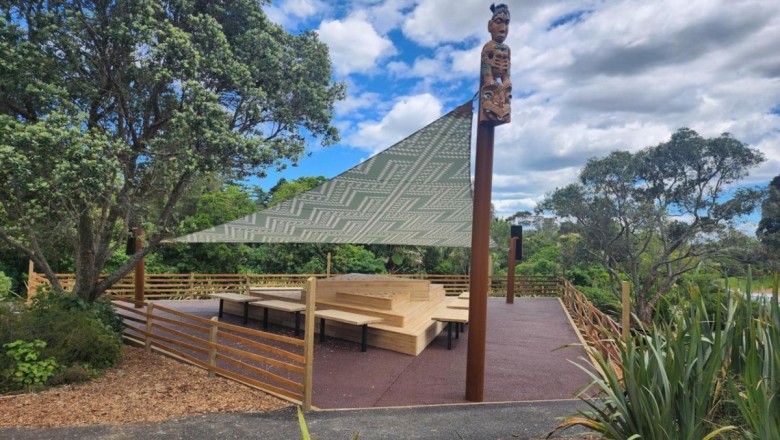
Te Puna Raranga: A New Home for Weaving at the Auckland Botanic Gardens
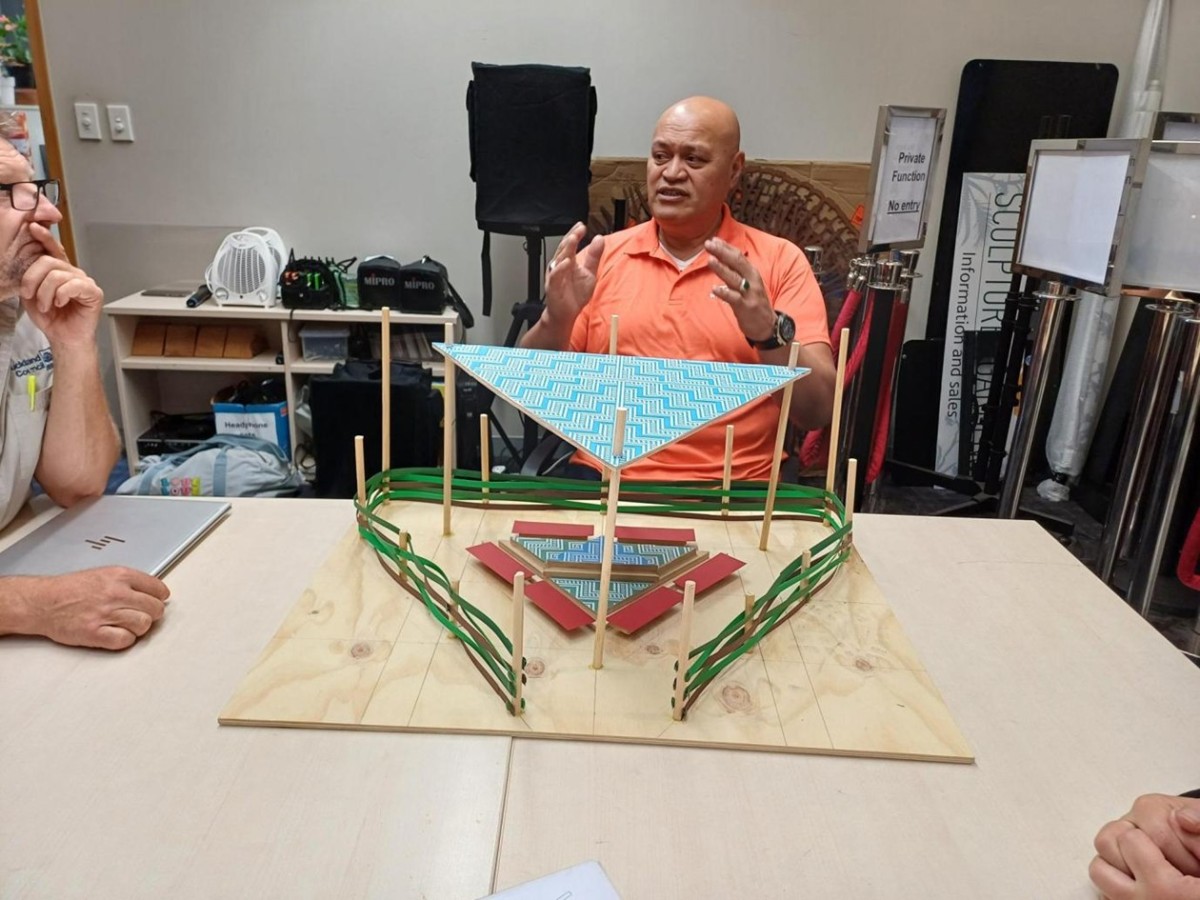
In early 2024, Auckland Council commissioned Dr Richard S Cooper to design a whare pora (weaving house) for the Auckland Botanic Gardens. “They sent me some draft designs to think about, and I helped guide the final design,” he says, as he recalls the starting point for what would become Te Puna Raranga, named by mana whenua Ted and Waiata Ngataki. Citycare Property’s Auckland capital works team had the privilege of bringing Dr Cooper’s design to life.
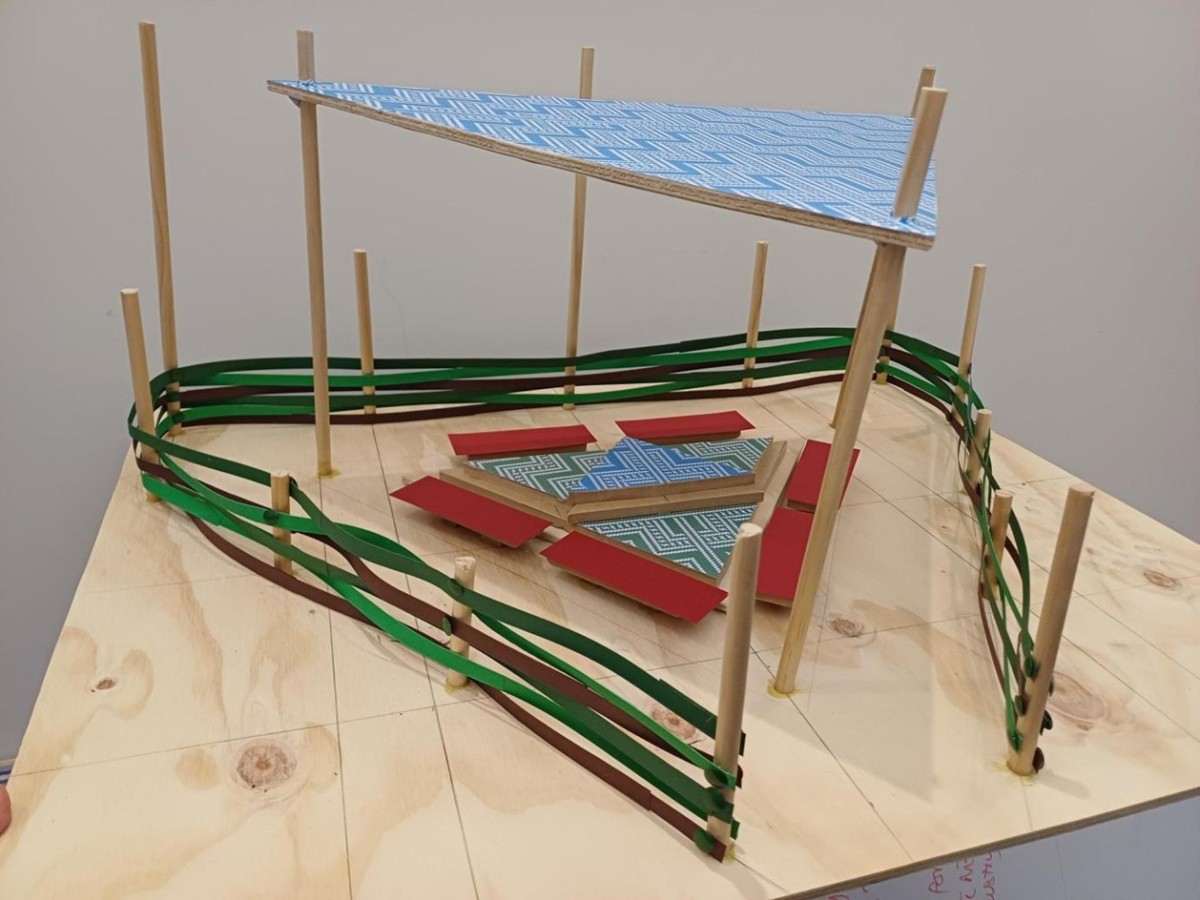
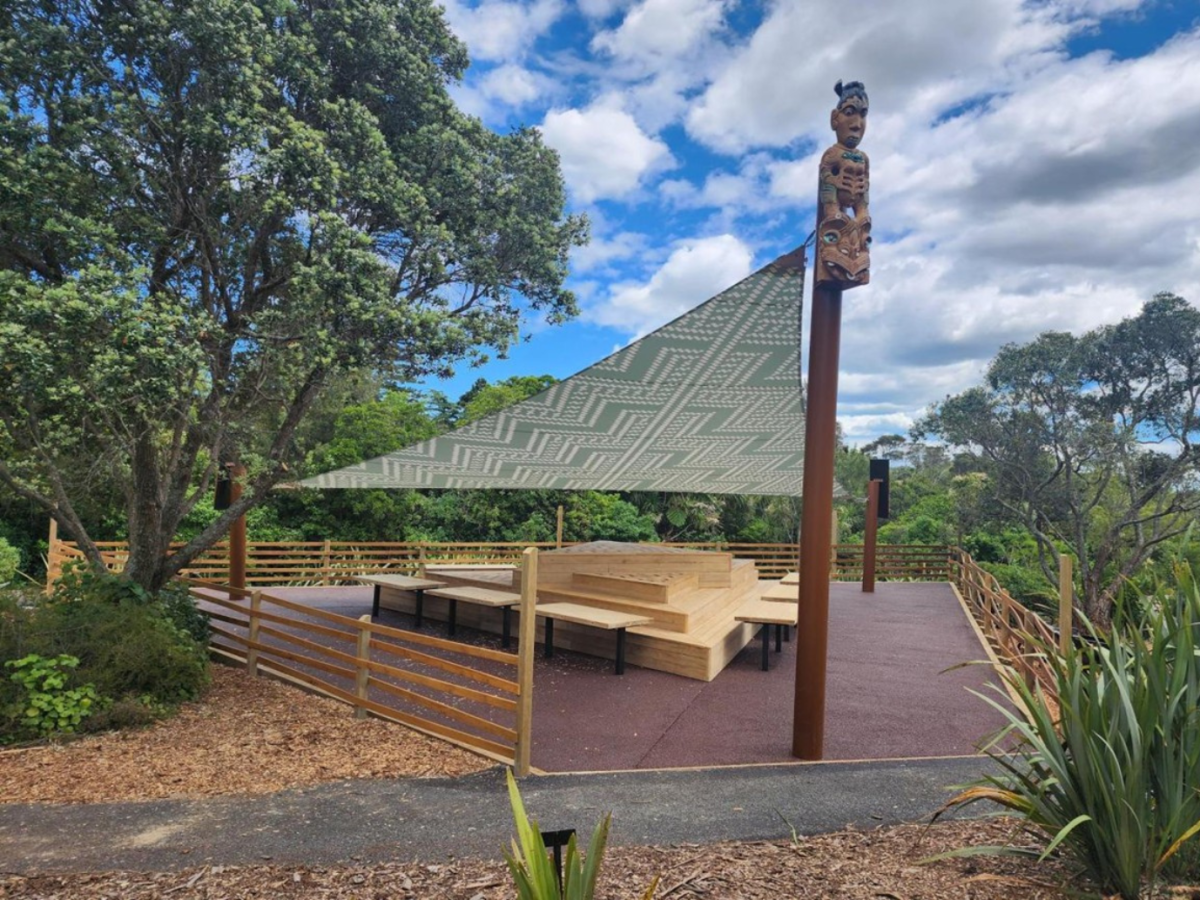
From the outset, the project was shaped through collaboration. Artists and weavers worked alongside Dr Cooper to ensure that the structure reflected Māori values and the visual language of raranga (weaving). Central to the design is the Poutama Ahurewa pattern, originally created by renowned master weaver Te Atiwei Ririnui. Dr Cooper incorporated this into the design, guided by kōrero (discussion) and cultural insight from Ngā Puāwaitanga o Tāmaki Weavers and Ngāti Tamaoho weavers.
Through extensive consultation, a clear set of priorities emerged. The space needed to be simple and practical, and accommodating of weavers’ needs. Some weavers prefer to work on the ground, others at a table. A roof was essential for shelter. The whare had to sit within the Pā Harakeke area, avoid becoming an eating space, and feature carvings by and of wāhine. Earthy tones, accessible pathways, raranga patterns, and surrounding plantings of weaving species were also key considerations.
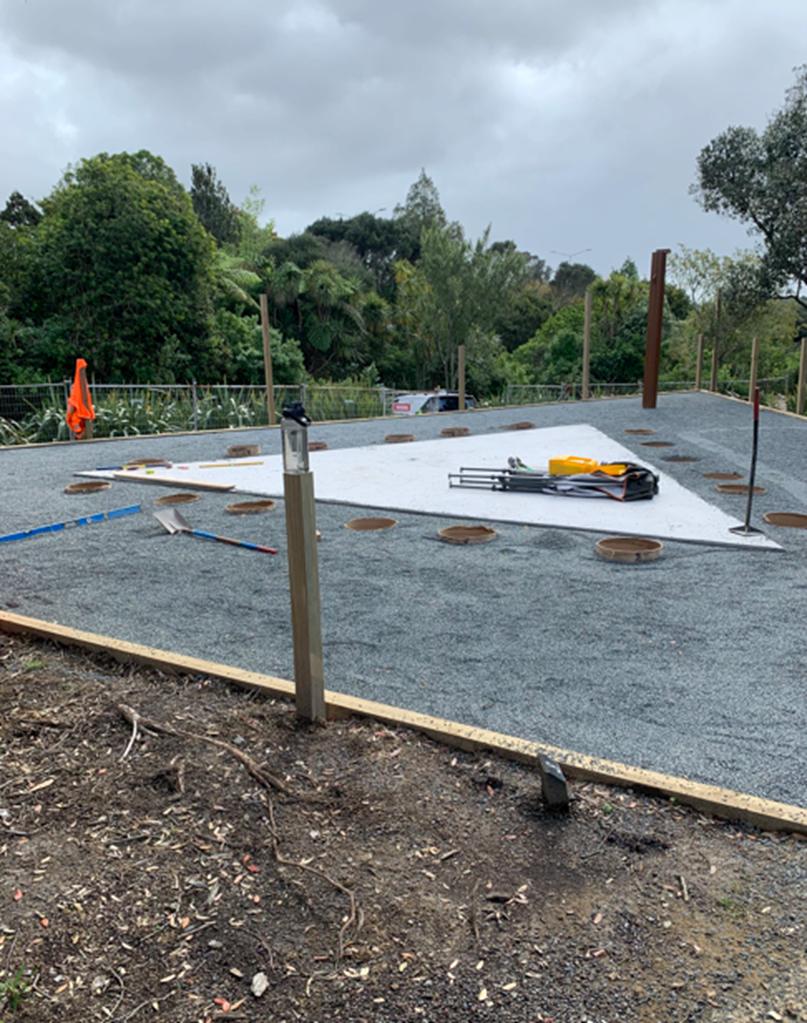
Construction of the weaving platform was led by Citycare Property. “We were engaged by Auckland Council to build the weaving platform and to deliver it to a very tight timeframe,” says Citycare Property Capital Works Manager Noel Horan.
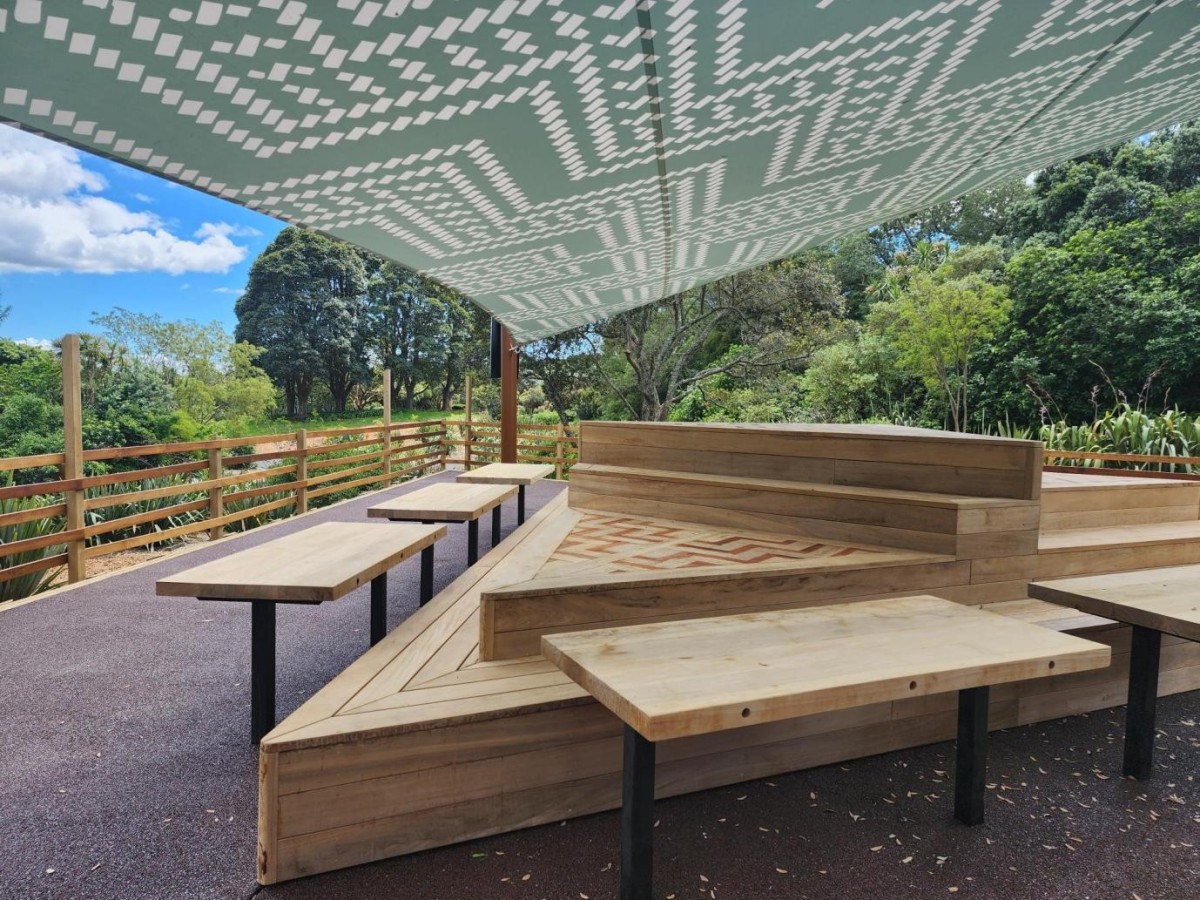
“We self-delivered this project using our internal team led by Graham Forrester. Our team designed and built the steel structural frame that would hold the many alternate levels of the platform.”
The complexity of the design demanded a high level of technical skill. The alternating levels required precise engineering, and the installation of the intricate wooden pattern called for careful planning and craftsmanship. Noel says, “This required much thought, and it was challenging to install the complex wooden pattern. But we are so proud that we delivered the most incredible, beautiful piece of artwork that is also practical and useful within the gardens.”
Te Puna Raranga was officially opened on 28 October 2025, a date chosen in remembrance of the signing of He Whakaputanga – the Declaration of Independence. The ceremony brought together Tāmaki kairaranga, kaimahi, whānau, and iwi representatives. Ngāti Tamaoho led the blessing with wairea, karakia, and waiata, establishing this space with cultural significance and naming it Te Puna Raranga.
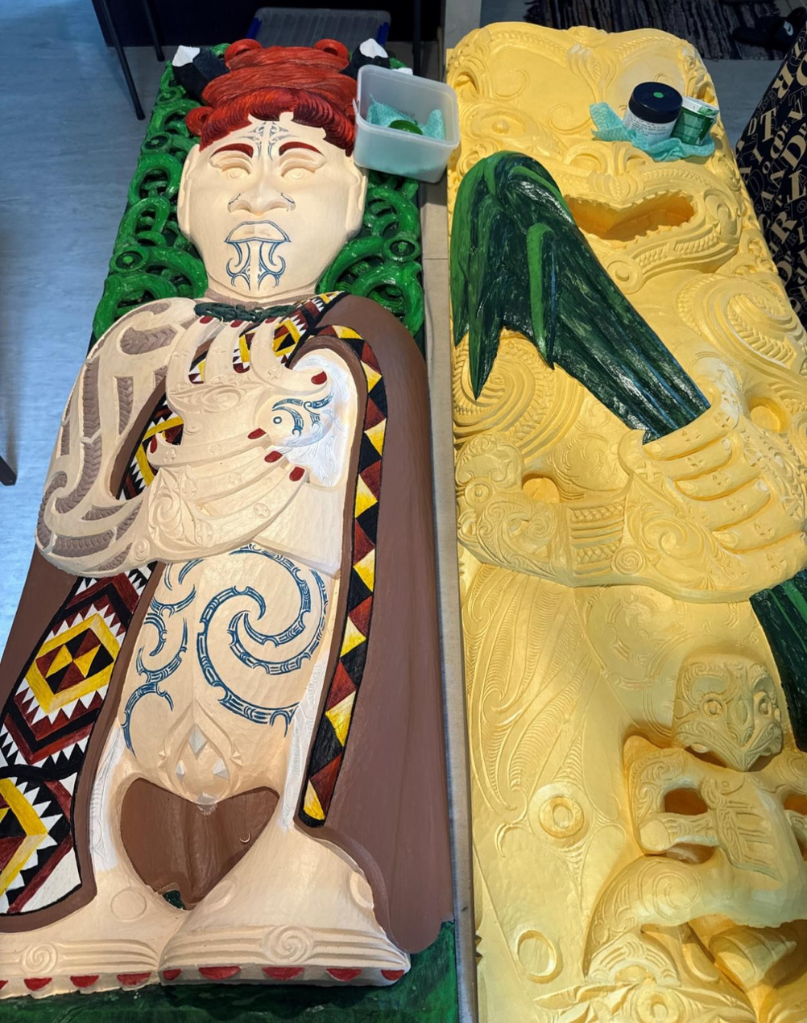
At the heart of the structure stand three carved pou whakairo (freestanding carved figures) by artists Lorna Rikihana and Te Rangikaihoro Nicholas. Each pou represents atua (god) and tūpuna (ancestors) connected to weaving and sacred spaces for women:
- Hineteiwaiwa, the matriarch of the whare pora, whose domain includes the rhythms of femininity, lunar cycles, and intuition.
- Nīwareka, knowledge holder of kotukutuku (fuchsia tree), whāriki (mat), raranga (weaving), whatu (fibre-weaving), puoro (music), and mirimiri (massage), embodying the breadth of woven and healing arts.
- Huna, the keeper of harakeke (flax) resources, whose narratives speak to tikanga (praxis), tukanga (processes), and the progression from learner to tohunga (expert). Her name suggests kura huna, the hidden schools or knowledge holders of the trade secrets of the art.
Dr Cooper says, “To train one’s whānau is the ultimate in intergenerational succession planning, and this requires training the trainer’s competencies, and Huna is the method of brain retention.”
Around the platform, harakeke varieties from the Auckland Botanic Gardens’ own collection reinforce the connection between land, resources, and weaving practice. Te Puna Raranga has been created as a place where people can gather, learn, and continue the traditions of raranga in a space shaped by community and built for generations to come.
 |
 |
|
|
 |
|
|
 |
All photos supplied by Dr Richard S Cooper.