National Library Turns to Solar to Support Powering its Future
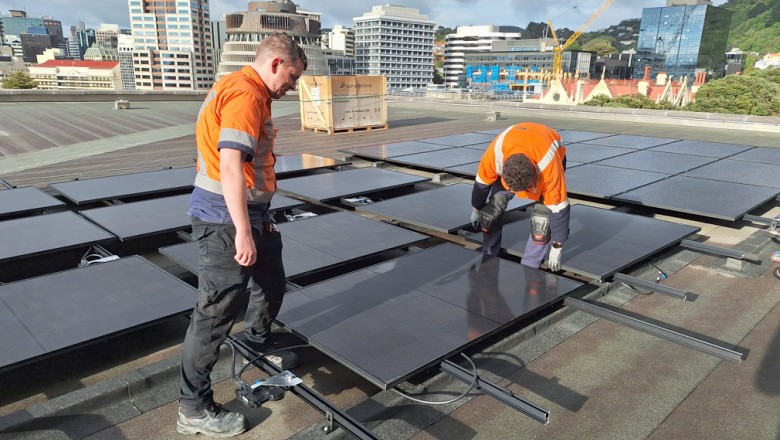
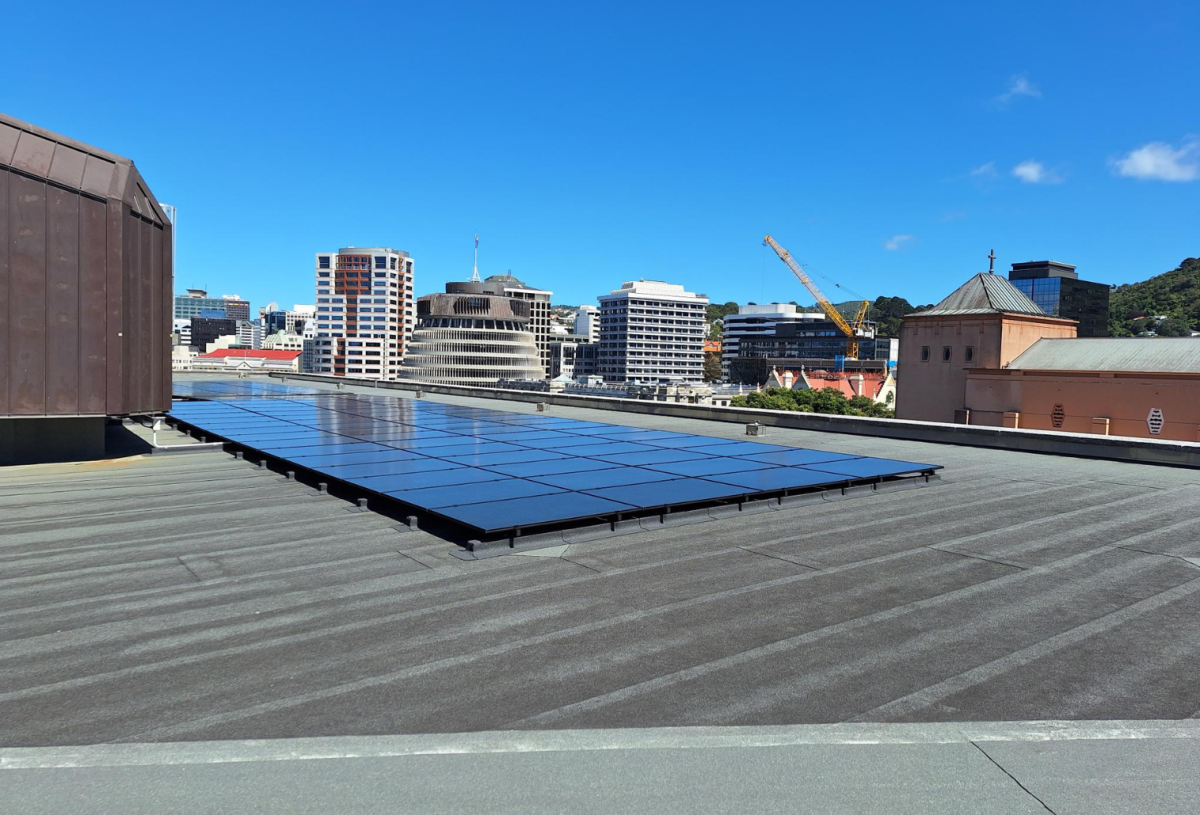
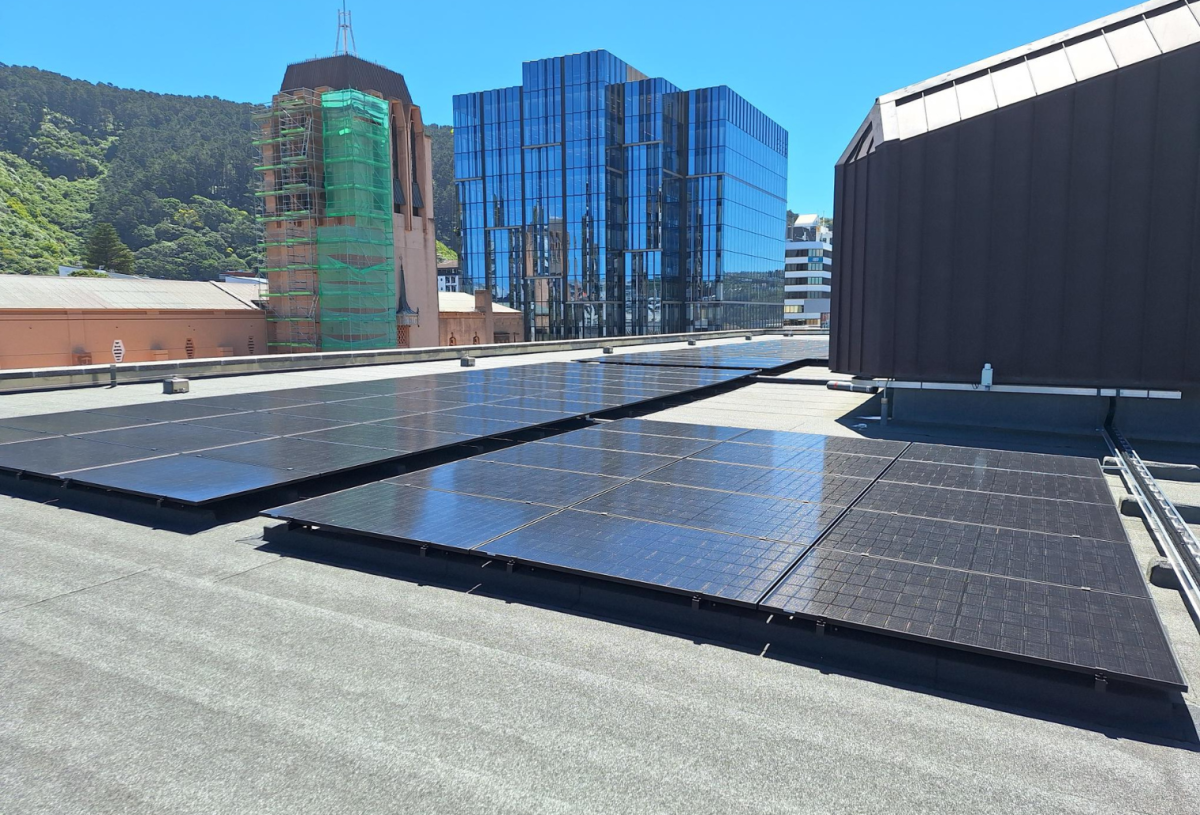
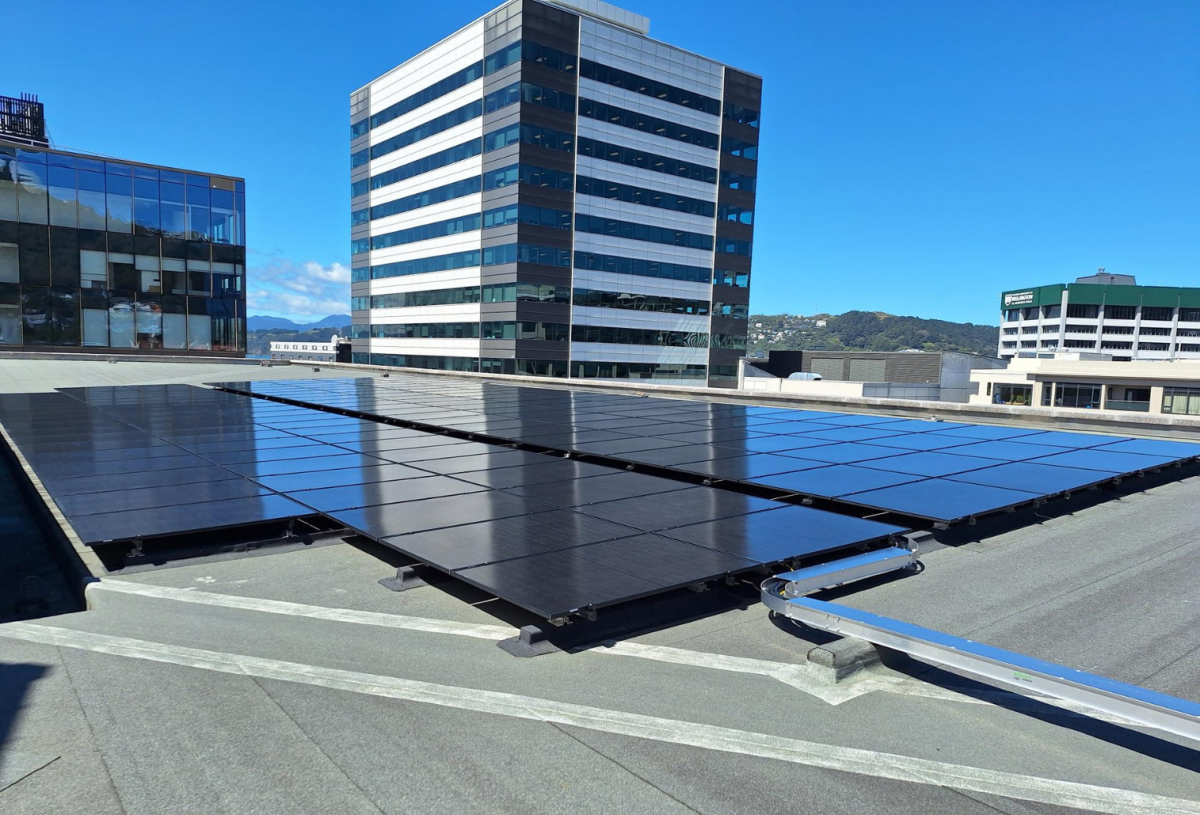
Citycare Property had the privilege of supporting the Department of Internal Affairs (DIA) Property Capital Forward Works Programme (PCFWP) as they launched a major sustainability initiative to install 269 solar panels on the roof of Te Puna, the National Library of New Zealand in Wellington. The initiative is aimed at reducing the building's reliance on grid electricity and gas while contributing to the wider government goal of lowering emissions.
The National Library plays a vital role in collecting, preserving and protecting the documentary heritage of Aotearoa. Its teams care for some of the country's most significant books, archives, photographs, sound recordings and artworks. These collections require highly controlled environments to ensure their long-term preservation.
Citycare Property supported the DIA, one of our longstanding Facilities Management customers and which oversees the National Library, to install the solar panels that is expected to generate around 164 MWh of clean energy each year. For a building that runs 24 hours a day to maintain strict environmental conditions, this represents a meaningful shift toward more sustainable operations, reducing long-term costs as well as cutting carbon emissions.
Project manager Mike Cederwall led the project from procurement and design through to installation and commissioning. "We were involved from the outset, overseeing pricing and design, identifying suppliers and subcontractors, and managing the installation, electrical works, and commissioning of the system," he says.
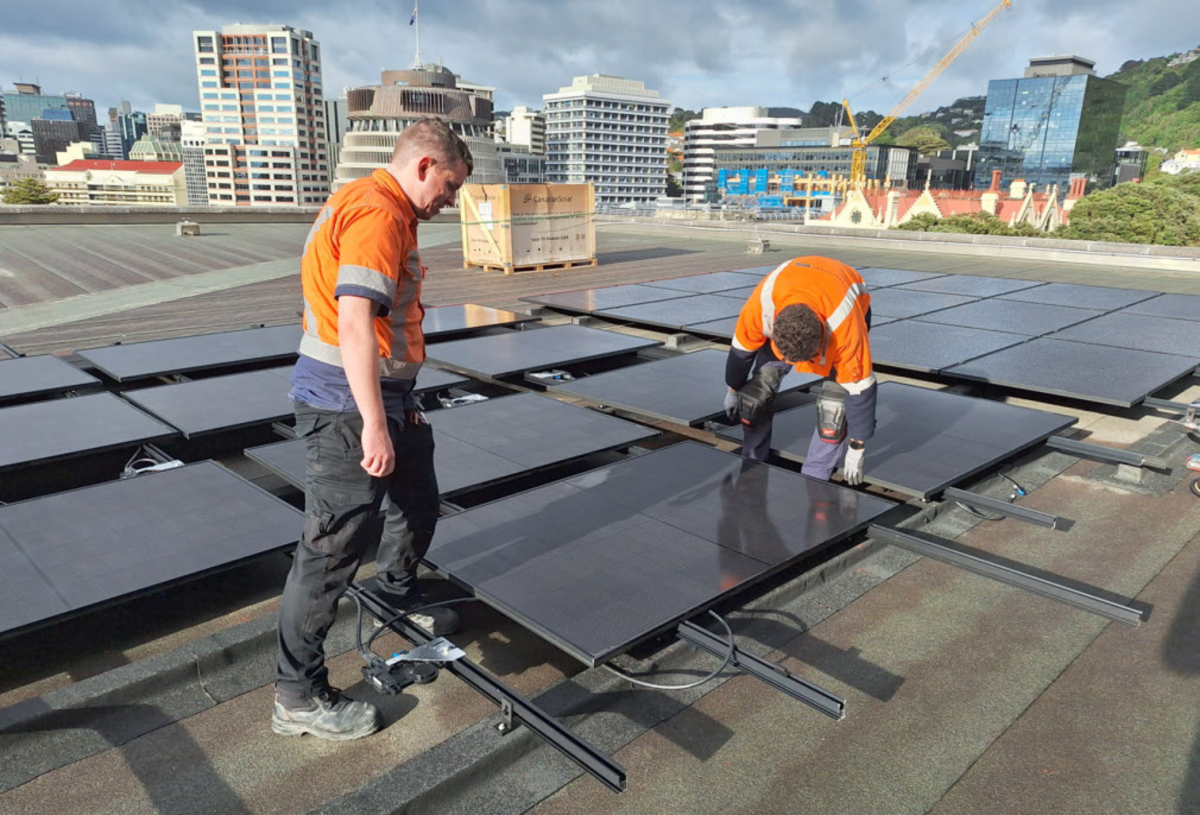
Because the building has a membrane roof, the team first needed to install timber plinths and a waterproof membrane (or waterproofing) to support the solar system. Wellington's famously windy conditions added another layer of complexity. "All materials and panels had to be craned onto the roof, which required careful coordination. Given Wellington's wind conditions, precise timing and execution were essential to ensure the safety of everyone involved," Mike explains.
 |
 |
 |
 |
The library's unique operational requirements also shaped the project. "While sustainability was a key driver behind the solar investment, it was also closely aligned with the operational requirements of the building."
Mike says, "The Library operates extensive HVAV systems to maintain the temperature and relative humidity required for the preservation of its collections, with different areas maintained at temperatures ranging from 18°C to -20°C."
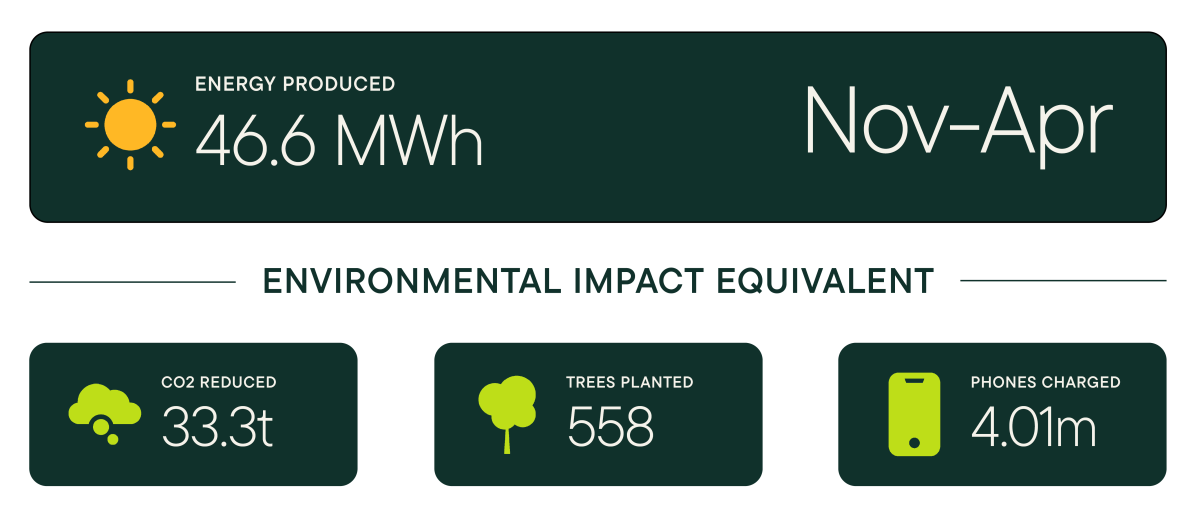
Since the first stage went live in November, the solar system has already produced 46.6 MWh of energy. That equates to 33.3 tonnes of CO2 reduction, the equivalent of 558 trees planted, or 4 million mobile phones charged. The full system has only been operating since February, and it is expected to hit the target of 164MWh of clean energy each year which is enough to power around 23 average New Zealand households.
To deliver the project, Mike worked closely with several partners. "We worked closely with one of our key delivery partners Seven Electrical to design, supply and install the solar system. We also brought in other subcontractors to complete the structural plinth work and waterproofing, with cranage also required for all materials, it was a strong, collaborative team effort."
Weather and logistics proved to be the biggest challenges. "Weather conditions were a critical consideration. Drilling could not occur during rain, and high winds presented safety risks, so carefully planning the work programme was essential." The solar panel installation works were completed in stages to take advantage of the changing weather with the first stage completed in November and stage two completed in January.
For Mike, the project stands out as an example of strong collaboration and shared purpose. "It really speaks to problem solving. DIA had a goal, and we were able to support them to achieve it. It is the kind of partnership built on trust that delivers great results. We are so proud to be part of their journey to being more sustainable and it was a great opportunity to learn from the process."