Keen observation and environmental knowledge help protect tūturiwhatu at Auckland Airport
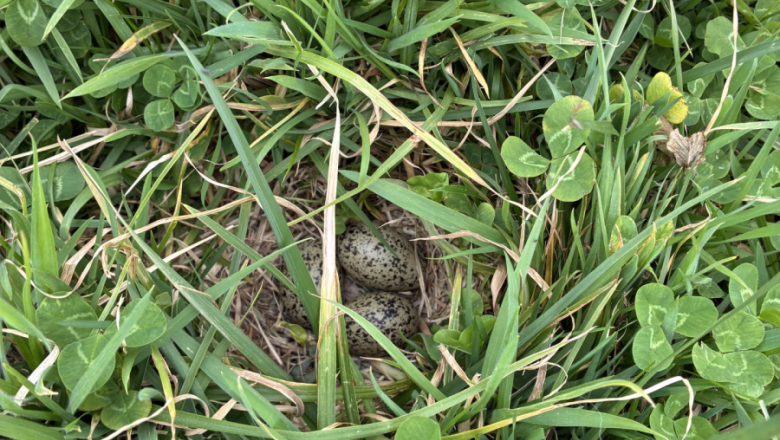
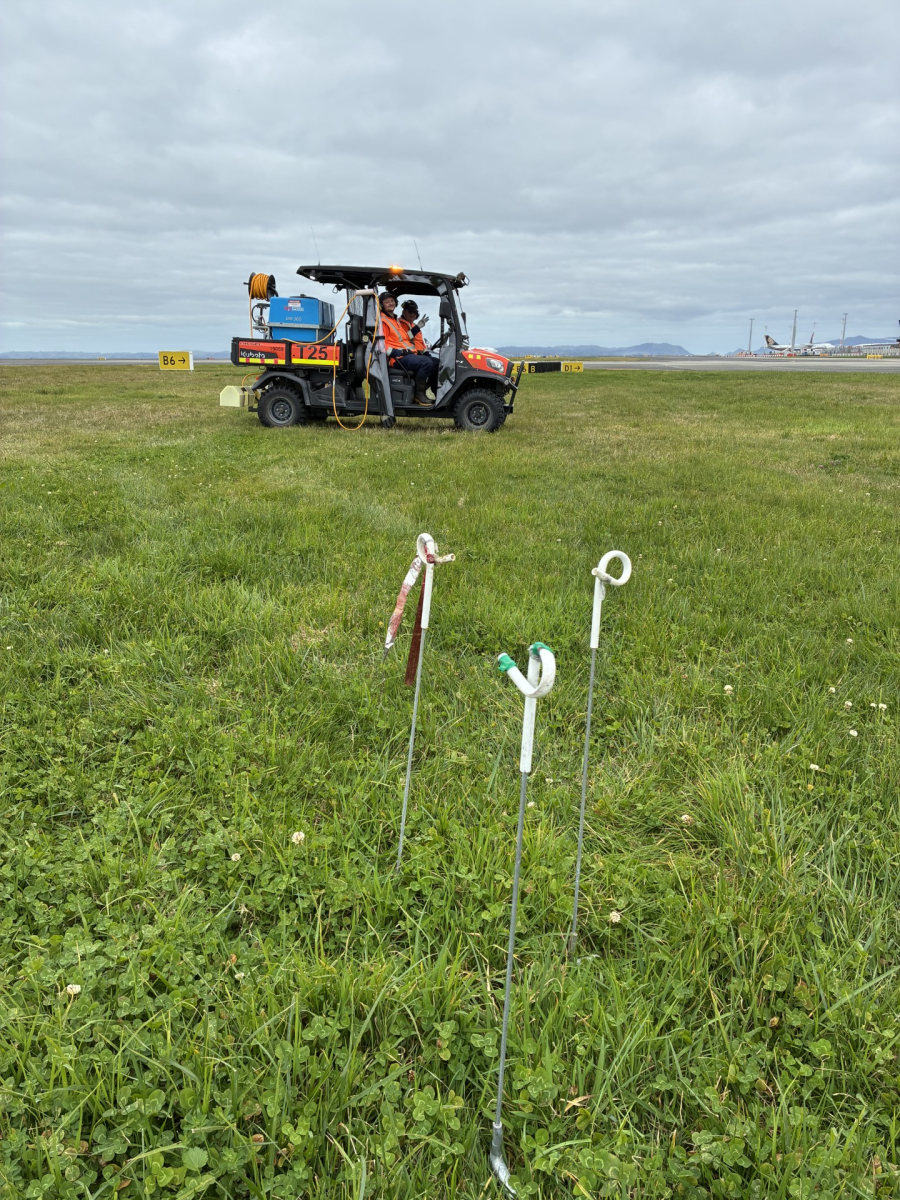
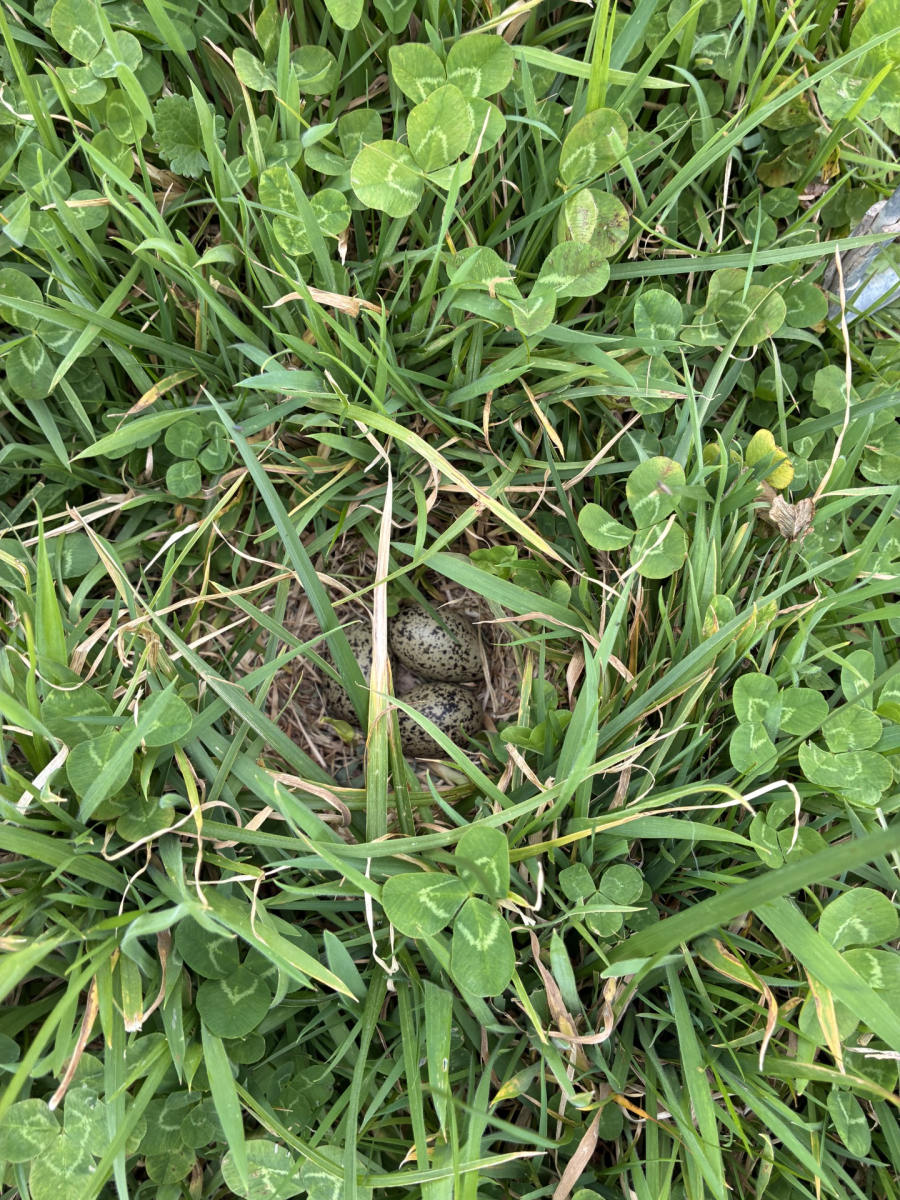
As the New Zealand dotterel (tūturiwhatu) breeding season gets underway, a recent nest discovery by Citycare Property team members delivering grounds maintenance at Auckland International Airport highlights how awareness and observation can help protect our unique native birds.
While carrying out their work, team members Kevin and Ryan identified the signs of a nearby dotterel nest. By recognising the behaviour of the parent birds and reporting the location, they helped ensure the nesting site could be protected.
The location was unusual because tūturiwhatu typically lay their eggs near coastal areas, making the airport nest a noteworthy find.
The New Zealand dotterel is found nowhere else in the world. According to the Department of Conservation website, the northern New Zealand dotterel population remains relatively small at around 2,500 birds. During the breeding season, dotterels nest directly on the ground, relying on the natural camouflage of their eggs to avoid detection.
OSM Operations Manager Renuka Narayan said the find demonstrates the value of staying aware of the environment around us.
"Dotterel nests can be incredibly difficult to spot. Kevin and Ryan recognised the behaviour of the parent birds, took notice of what was happening around them, and reported it. Their observation helped protect a nesting site for a threatened native species."
As breeding activity increases through spring and summer, nests and chicks can be found in a range of habitats, including open grassy areas.
"Kaitiakitanga is about taking care of the places where we work and understanding that our actions can have an impact on the environment around us. Small observations can make a real difference when it comes to protecting native wildlife," Renuka says.
What to look out for during breeding season
From late winter through summer, dotterels may:
- Repeatedly call or circle overhead
- Remain close to one area and appear reluctant to leave
- Pretend to be injured to draw attention away from a nest
- Nest in shallow scrapes on the ground in grass, sand, or sparsely vegetated areas
- Have eggs that are exceptionally well camouflaged
- Be seen with chicks moving through open areas near nesting sites
The recent nest identification at Auckland Airport is a timely reminder that paying attention to the environment around us can help protect breeding sites and support the future of this uniquely New Zealand species.
 |
 |