Helping Native Ecological Systems Recover and Flourish
When invasive weeds are removed from a river corridor or thousands of native plants go into the ground, the results are not always immediate. Ecological restoration takes time and requires people with specialist knowledge and skills.
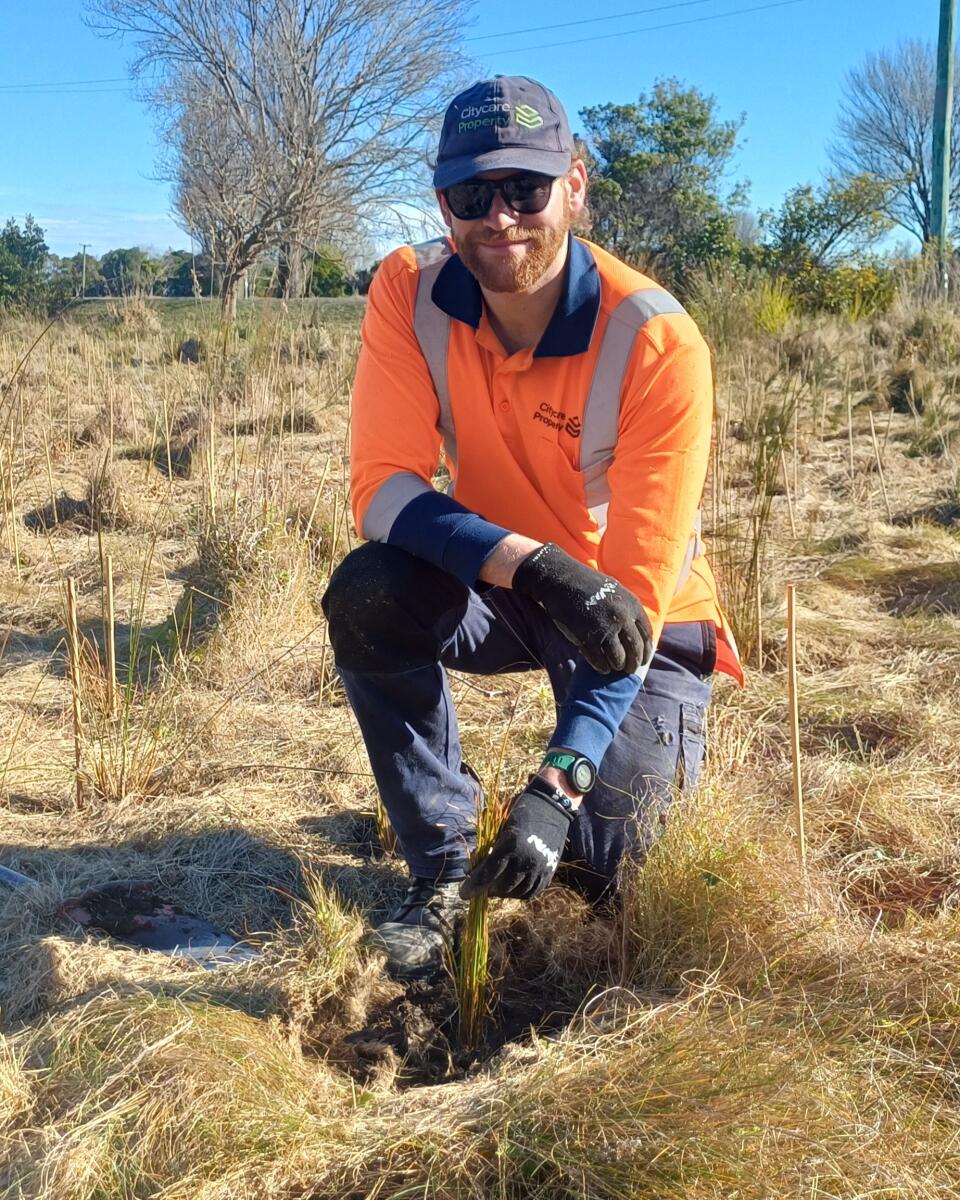
Isaac Grandiek, an Ecological Field Worker with Citycare Property, brings ecology knowledge, hands-on field experience, and a passion for New Zealand's biodiversity to restoration work. Since joining Citycare Property in 2023, he has helped deliver weed control and restoration projects across Canterbury that support the long-term health of native ecosystems.
Born and raised in Christchurch, Isaac studied Biology and Environmental Science at the University of Canterbury before completing a Master of Environmental Policy and Management with Merit at Lincoln University.
Before joining Citycare Property, he worked as a park ranger with Auckland Council's Southern Regional Parks and as a Field Operator with New Zealand Biosecurity Services on Great Barrier Island, where he helped control invasive weed species.
"It was an exciting opportunity," Isaac says. "We had a list of around 50 plant species that were considered a threat. Some weeks you could go without finding any, and then suddenly you'd locate one or a group that needed removing."
"These weeds compete directly with native plants. Some can change the environment around them or increase erosion. The goal is to find them early and remove them before they become established."
That experience now supports the varied work of Citycare Property's Ecological Team, whose focus shifts with the seasons and the needs of each site.
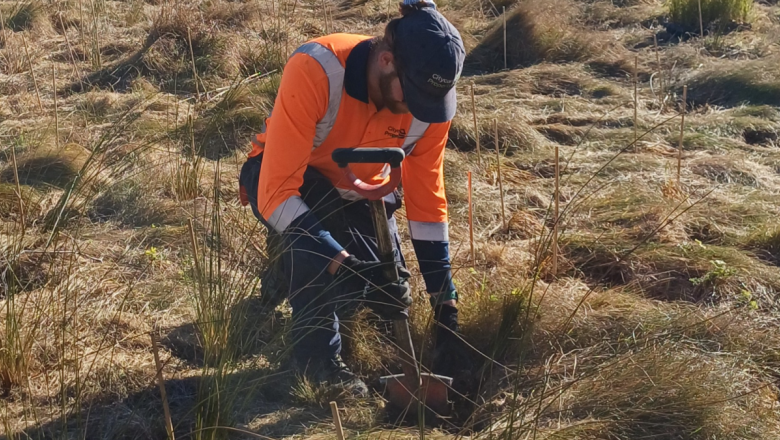
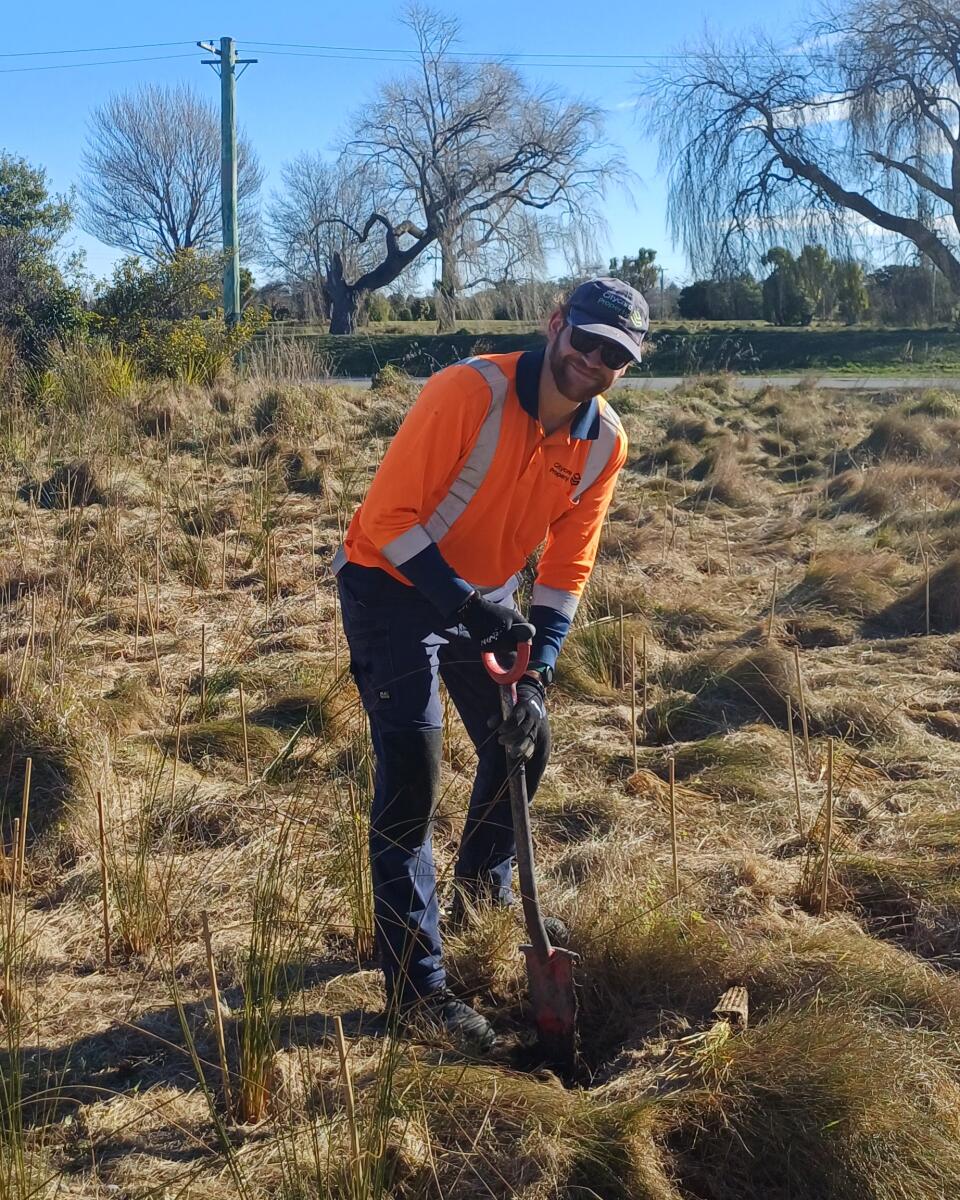
In spring and summer, the team is often focused on vegetation management, herbicide application, fire mitigation and weed control. During autumn and winter, the emphasis shifts to restoration work, including selective woody weed control and large-scale native riparian planting. The team also has skills and experience in environmental testing including water sampling and contaminated land testing, mammalian pest control, and biodiversity sampling and reporting.
Examples of the team's work include projects at Rakaia Gorge and the Upper Waimakariri, where careful management of invasive species helps protect indigenous vegetation. This work combines technical expertise, ecological understanding, and practical field experience.
"We're identifying specific invasive weeds and controlling them in areas that are considered ecologically important," Isaac says. "There are ecological considerations, but also public expectations around how those areas are managed."
Isaac has also worked on the Whakaora Te Waikēkēwai project, supporting Taumutu Rūnanga and Environment Canterbury through riparian planting along the stream to help improve water quality and habitat health.
For Isaac, one of the most rewarding parts of the role is seeing restoration areas respond once invasive species are removed.
"I've seen some pretty impressive recruitment of native seedlings," he says. "Once the large woody weeds are removed, native plants have more access to sunlight and resources, and you can see new growth coming through."
"Our planting sites are looking really good. They're becoming attractive spaces while also supporting stronger ecological outcomes."
Ecological field work relies on more than physical effort. Teams need specialist knowledge to identify native and introduced species, choose the right control methods, work safely in varied environments, and understand the long-term outcomes they are working towards.
"There's a lot of training that goes into this job," he says. "You need to understand the difference between native and introduced plants and why we're putting in the effort."
It is this combination of technical skill and care for the natural environment that shapes the team's contribution to ecological restoration across Canterbury.
Through skilled and passionate kaimahi like Isaac, Citycare Property is helping create the conditions for native ecosystems to recover, strengthen and continue supporting future generations.
 |
 |