Citycare Property Partners with KiwiFibre
Citycare Property has recently formed a commercial partnership with Christchurch-based start-up KiwiFibre.
KiwiFibre was established in 2020 by young entrepreneurs William Murrell and Ben Scales, emerging from a project they developed while at the University of Canterbury. Motivated by a mutual interest in design, the pair wanted to use the strength of nature and clever engineering to solve waste and sustainability issues.
Earlier this year Ben and William were recognised by Forbes Magazine in their ’30 under 30’ List in the Category Asia – Industry, Manufacturing & Energy’.
KiwiFibre is now a materials innovation platform offering natural fibre composite materials, solving technical, human health, and environmental challenges of global industries from aerospace to sports equipment.
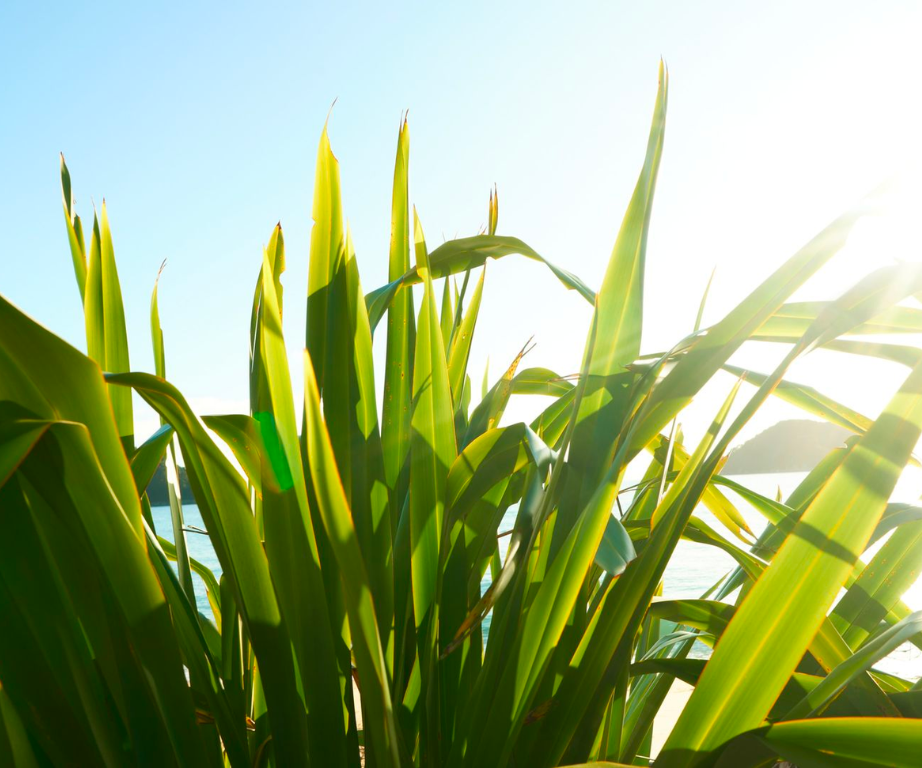
Using harakeke, which is a taonga and one of the world’s toughest natural fibres KiwiFibre achieves properties including radio-transparency, vibration and energy absorption, high strength & stiffness and low density. This introduces performance benefits over incumbent materials like carbon fibre, fibreglass, Kevlar and other plastics.
KiwiFibre have partnered with Māori entities in Te Waipounamu and Te Ika-a-Māui to build a new indigenous-led harakeke industry.
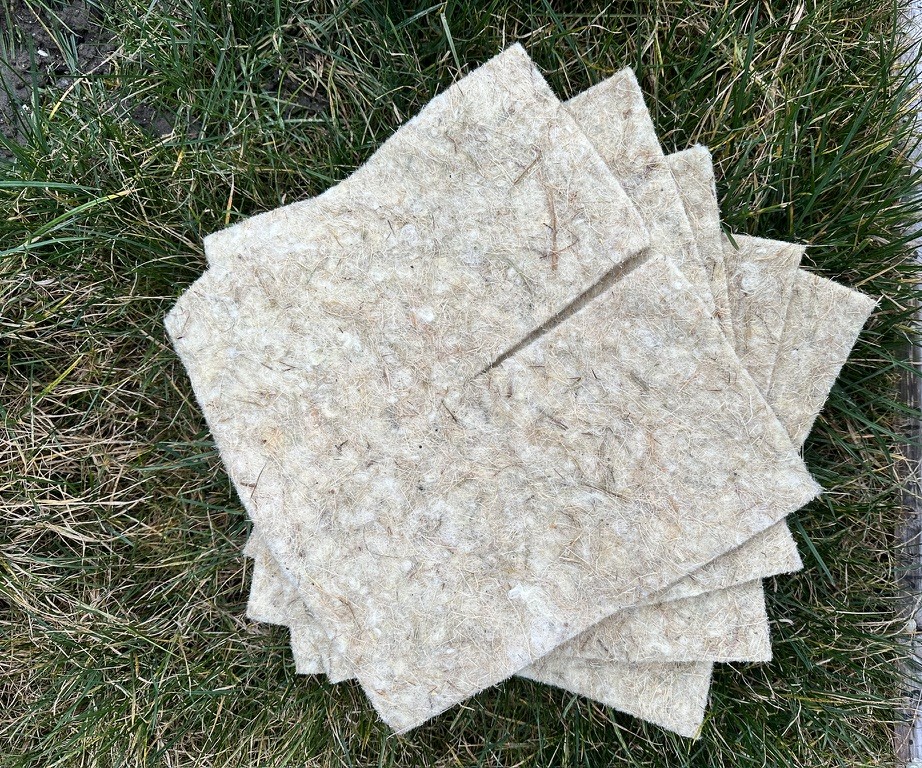
Citycare Property have facilitated adoption of harakeke materials into construction projects such as Takapūneke which features architectural installations using harakeke fibre. Citycare Property have also acquired harakeke mulch mats which uses surplus harakeke fibre from KiwiFibre’s manufacturing operations and is trialling these in planting projects.
The harakeke mulch mats are a blend of 50% harakeke and 50% coarse wool. The harakeke fibre provides structure and breathability, allowing the soil to aerate naturally, while the wool element retains moisture and releases nutrients as it breaks down—feeding the soil and supporting plant health over time.
The mulch mats tick many boxes according to Ed Hadfield – Citycare Property Head of Open Space Maintenance - “they provide breathable protection keeping roots healthy, while the wool element retains precious moisture and the density of the harakeke protects the plant for weed suffocation – all without the need for sprays. On top of that, as they decompose, they enrich the soil and are fully biodegradable. There’s also something significant about using natural products from our land and returning it to the whenua as part of a natural cycle” Ed says.
Ben from KiwiFibre acknowledges the importance of support from organisations like Citycare Property as a means to enabling their young business to develop, acknowledging “we really appreciate established organisations taking a punt on us. Partnering with like-minded and innovative business and venture partners is key to our ongoing success and ability to continue to innovate.”
“Citycare Property have realised the value of KiwiFibre’s vision and plans and have supported us to achieve them. Citycare Property have connected KiwiFibre with organisations they work with who have common objectives, and these connections have formed into industry-changing partnerships of national significance. One of such connections was that of introducing KiwiFibre to Te Tapu o Tāne, which in the 12 months since has evolved into the new Te Waipounamu Harakeke Fibre Programme” Ben says.
Ben also acknowledged the importance in organisational involvement in providing support to climate resilience initiatives. “Like us, Citycare Property acknowledge that we are custodians of this land, and we all have a duty to adopt sustainability-led practices to ensure the future of our planet. Their willingness to come on board with these mats early in the process speaks volumes to their commitment to support innovative, local start-up and entrepreneurial businesses.”
Citycare Property will be using the mats as part of the remainder of the planting season near Christchurch. Citycare Property are planting over 55,000 plants near the Ngāti Moki Marae in Southbridge, and about 29,000 in Takapūneke near Akaroa over the next two years, as well as 12,000 to enrich the Ōtūkaikino Reserve in northern Christchurch this year.
 |
 |